 Image 1 of 1
Tripod
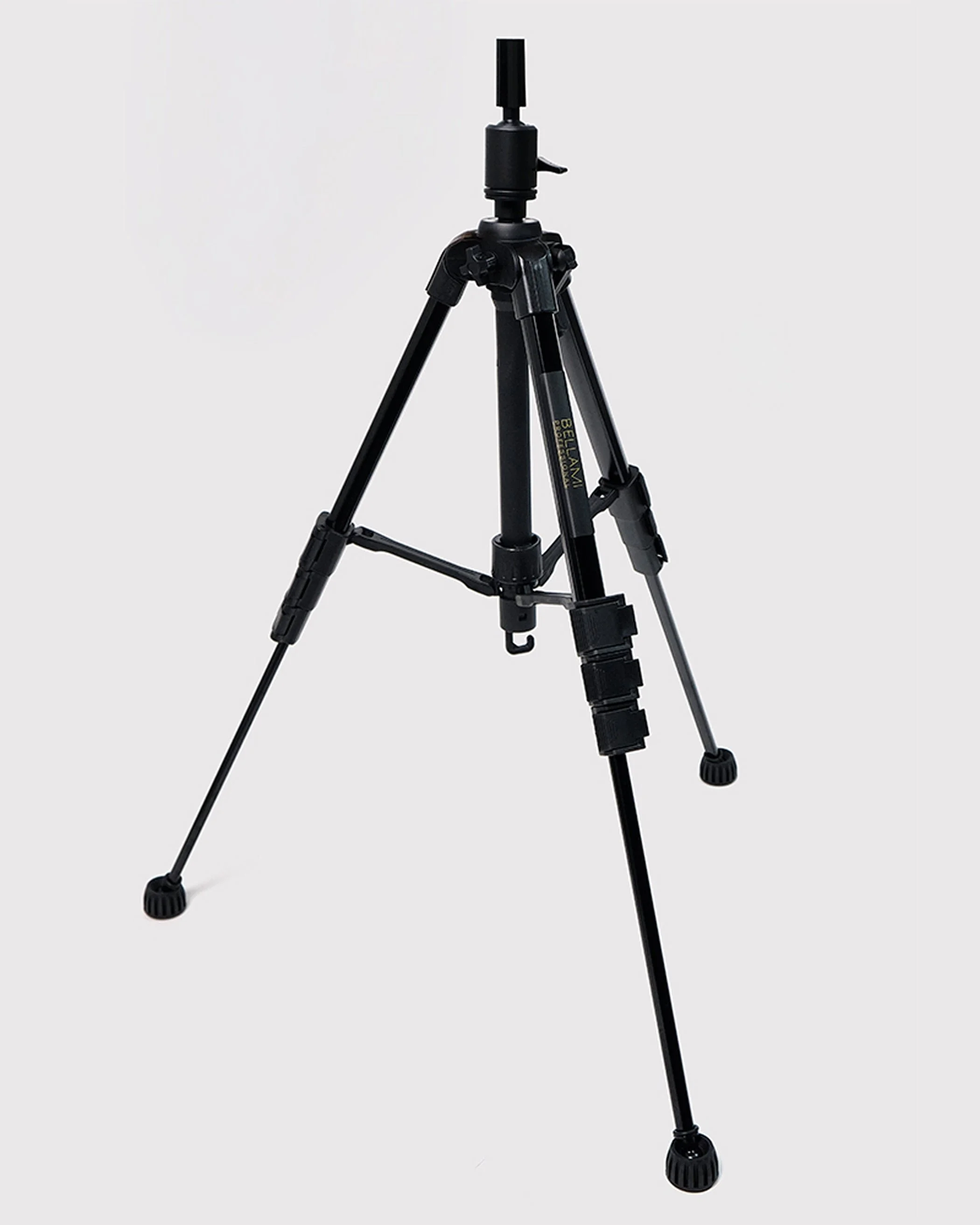
A tripod is an essential tool for photographers seeking sharper images, consistent framing, and greater creative control. It provides a stable, adjustable platform for a camera and enables techniques that are difficult or impossible to execute handheld.
Key features and uses
Stability: Minimizes camera shake for long exposures, low-light shots, and telephoto work.
Composition: Allows precise framing and easy recomposition without changing camera position.
Long exposures: Essential for night photography, light painting, and silky-smooth water effects.
HDR, panoramas, and focus stacking: Keeps the camera fixed across multiple frames for accurate merging.
Self-portraits and group shots: Works with a timer or remote to include the photographer.
Video shooting: Provides steady pans, tilts, and static shots; many tripods support fluid heads for smoother motion.
Macro photography: Offers fine control over framing and focus at high magnification.
Important specifications
Load capacity: Choose a tripod that safely supports your heaviest gear (camera + lens + accessories).
Height range: Consider maximum height for eye-level shooting and minimum height for low-angle or macro work.
Weight and portability: Carbon fiber is lighter; aluminum is durable and more affordable. Balance your travel needs with stability requirements.
Leg sections and locking type: Fewer leg sections typically mean faster setup and greater rigidity; twist locks vs. flip locks are a personal preference.
Head type: Ball heads provide quick adjustments and compactness; 3-way pan-tilt heads offer more controlled, axis-specific movement; fluid heads are preferred for
Tripod
A tripod is an essential tool for photographers seeking sharper images, consistent framing, and greater creative control. It provides a stable, adjustable platform for a camera and enables techniques that are difficult or impossible to execute handheld.
Key features and uses
Stability: Minimizes camera shake for long exposures, low-light shots, and telephoto work.
Composition: Allows precise framing and easy recomposition without changing camera position.
Long exposures: Essential for night photography, light painting, and silky-smooth water effects.
HDR, panoramas, and focus stacking: Keeps the camera fixed across multiple frames for accurate merging.
Self-portraits and group shots: Works with a timer or remote to include the photographer.
Video shooting: Provides steady pans, tilts, and static shots; many tripods support fluid heads for smoother motion.
Macro photography: Offers fine control over framing and focus at high magnification.
Important specifications
Load capacity: Choose a tripod that safely supports your heaviest gear (camera + lens + accessories).
Height range: Consider maximum height for eye-level shooting and minimum height for low-angle or macro work.
Weight and portability: Carbon fiber is lighter; aluminum is durable and more affordable. Balance your travel needs with stability requirements.
Leg sections and locking type: Fewer leg sections typically mean faster setup and greater rigidity; twist locks vs. flip locks are a personal preference.
Head type: Ball heads provide quick adjustments and compactness; 3-way pan-tilt heads offer more controlled, axis-specific movement; fluid heads are preferred for